
Damp Wall Problem
Damp walls cause paint damage, fungal growth and unhealthy indoor conditions — fix the source, not just the surface.
Dampness Is Not Just Paint Damage —
It's a Health & Building Risk
Damp walls are extremely common in Bangladeshi buildings, especially during monsoon season. But dampness is more than ugly stains — it breeds mold, weakens plaster, damages furniture, and creates respiratory health risks for your family.
The key is finding the moisture source — whether it's rising damp, leaking pipes, or poor waterproofing — and treating it properly.
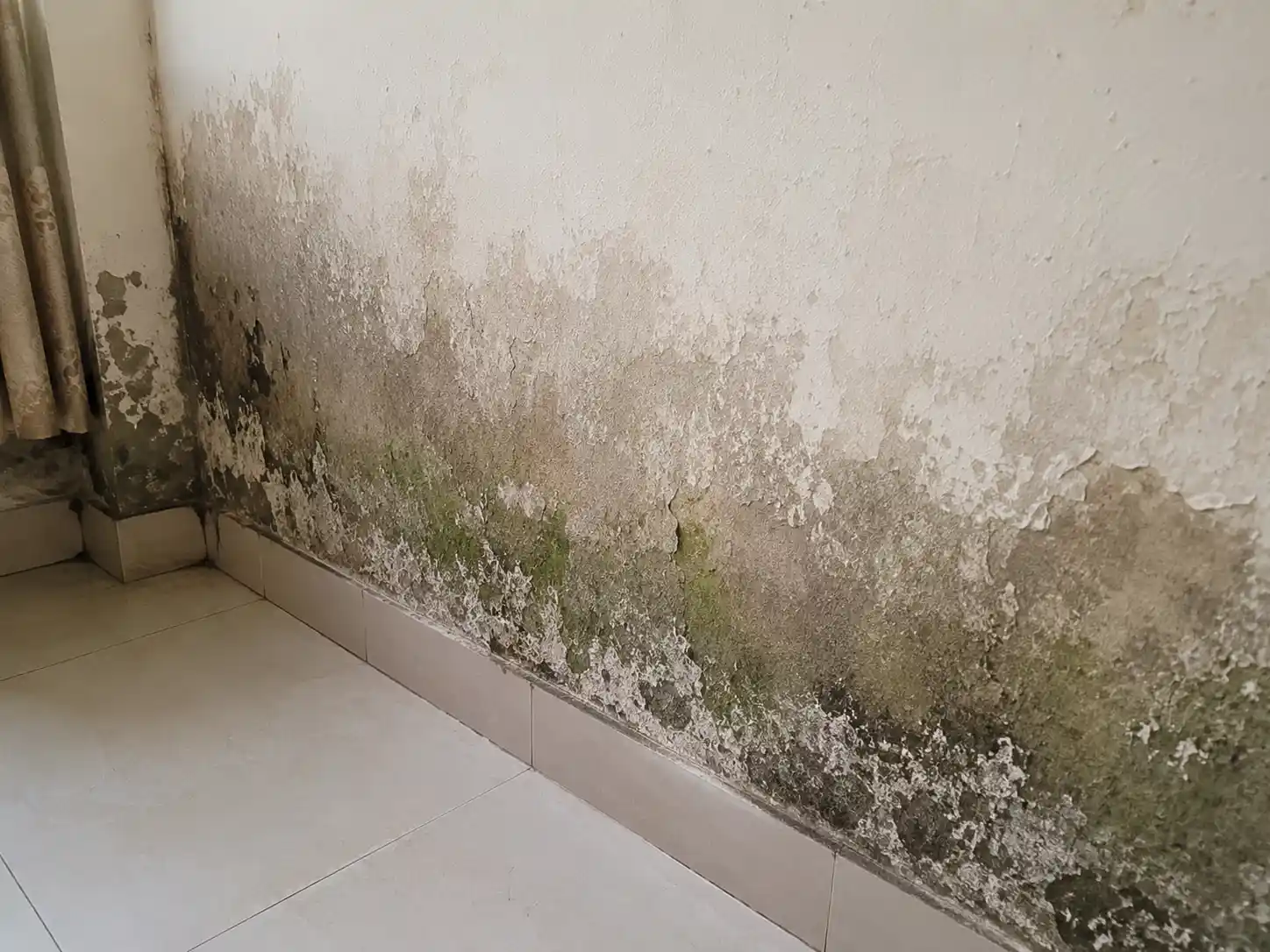
Signs of Damp Wall Problems
Recognize these symptoms early to prevent serious damage to your building and health.
Paint Peeling & Bubbling
Moisture behind walls causes paint to bubble, peel, and discolor — repainting without fixing the source is wasted money.
Dark Patches & Stains
Dark wet patches on walls, especially near the floor or bathroom walls, indicate active moisture migration.
Mold & Fungal Growth
Black or green mold patches on walls and corners indicate persistent dampness — a serious health hazard for residents.
Salt Deposits (Efflorescence)
White powdery salt deposits on walls mean water is carrying minerals through the wall — a sign of rising damp.
Musty Smell
A persistent damp or musty odor in rooms indicates hidden moisture problems even when walls look dry on the surface.
Health Issues
Respiratory problems, allergies, and asthma symptoms in residents — especially children — can be triggered by damp and mold.
What Causes Damp Walls?
Rising Damp
Ground moisture rises through walls without a damp course.
Pipe Leakage
Hidden plumbing leaks inside walls cause persistent dampness.
Poor Waterproofing
Bathrooms and kitchens without proper waterproofing.
Rain Penetration
External walls absorb rainwater through cracks or porous plaster.
Condensation
Poor ventilation traps moisture inside rooms.
Frequently Asked Questions
Will repainting fix damp walls?
No. Repainting without fixing the moisture source is a waste of money — the dampness will return within weeks or months. You must treat the root cause first.
Is wall dampness harmful to health?
Yes. Damp walls promote mold and fungal growth which can cause respiratory problems, allergies, and asthma — especially dangerous for children and elderly residents.
How do you find the source of dampness?
Our engineers use moisture meters, thermal inspection, and visual assessment to accurately identify whether dampness is from rising damp, leaks, or external penetration.
Can rising damp be permanently fixed?
Yes. Chemical damp-proof course (DPC) injection creates a moisture barrier in the wall, permanently blocking rising damp when applied correctly.
Damp Walls Damaging Your Home?
Get a professional moisture inspection — find the source and get a permanent solution.